Menopause Symptoms - Sleep disturbances
Explore each Menopause symptom in depth on our Menopause Pages!

Disturbed sleep can have significant impacts on both emotional and physical health, particularly during menopause. It can impair memory, concentration, and mood while increasing the risk of depression and obesity. These challenges, already common during menopause, may be exacerbated by sleep disturbances, creating a cycle that intensifies the overall effects. Addressing sleep issues during this time is essential for maintaining well-being.
- Exercise. Getting in some daily physical activity is one of the best remedies for insomnia. Exercise is good for your overall health -- and it improves your quality of sleep. You should, however, avoid exercising within two hours of bedtime.
- Improve your sleep and combat insomnia. Focus on maintaining good sleep hygiene. Establish a consistent sleep schedule by going to bed and waking up at the same times every day. This routine helps train your body to recognize when it's time to rest. Additionally, avoid taking naps during the day to ensure you feel naturally tired by bedtime.
- What you eat and drink may also play a part in your sleep quality. Eating a healthy diet has many advantages on top of assisting you cope with your menopause symptoms. Make sure you don’t eat big meals within a couple of hours of bedtime, as this will interfere with your sleep cycles.
- Avoid alcohol and caffeine. Both caffeine and alcohol can affect the quality of your sleep or make it hard for you to fall asleep. Stop drinking caffeine by mid-afternoon and avoid alcohol after dinner.
- Drink warm milk or chamomile tea before bedtime. Tart cherry juice is also reported to have a positive effect on the symptoms of sleep disturbances. All are believed to have effects on the brain that make it easier for you to fall asleep.
- Light Regulation. To improve your sleep quality, ensure your room is dark by using thick curtains or blinds to block out any light. Consider wearing a sleep mask for added darkness. Avoid exposure to artificial light from electronic

devices like TVs, phones, or tablets before bed, as their full-spectrum light can be stimulating and disrupt your ability to fall asleep. Instead, engage in relaxing activities such as reading, listening to soothing music, or taking a warm bath before bedtime. If you need to get up during the night, use a flashlight rather than turning on bright lights to avoid disrupting your sleep cycle. Make sure the path to the bathroom is clear of obstacles to prevent tripping.
- Relax. To improve your sleep quality, try tackling your most demanding tasks earlier in the day to avoid stress close to bedtime. Prepare your bedroom for relaxation by dimming the lights, lowering the temperature if possible, and minimizing noise. Tools like earplugs or a white noise machine can be helpful. Consider hiding clocks in your room to prevent anxiety about the time during the night. Remember, worrying about sleep often makes it harder to fall asleep and can contribute to insomnia.
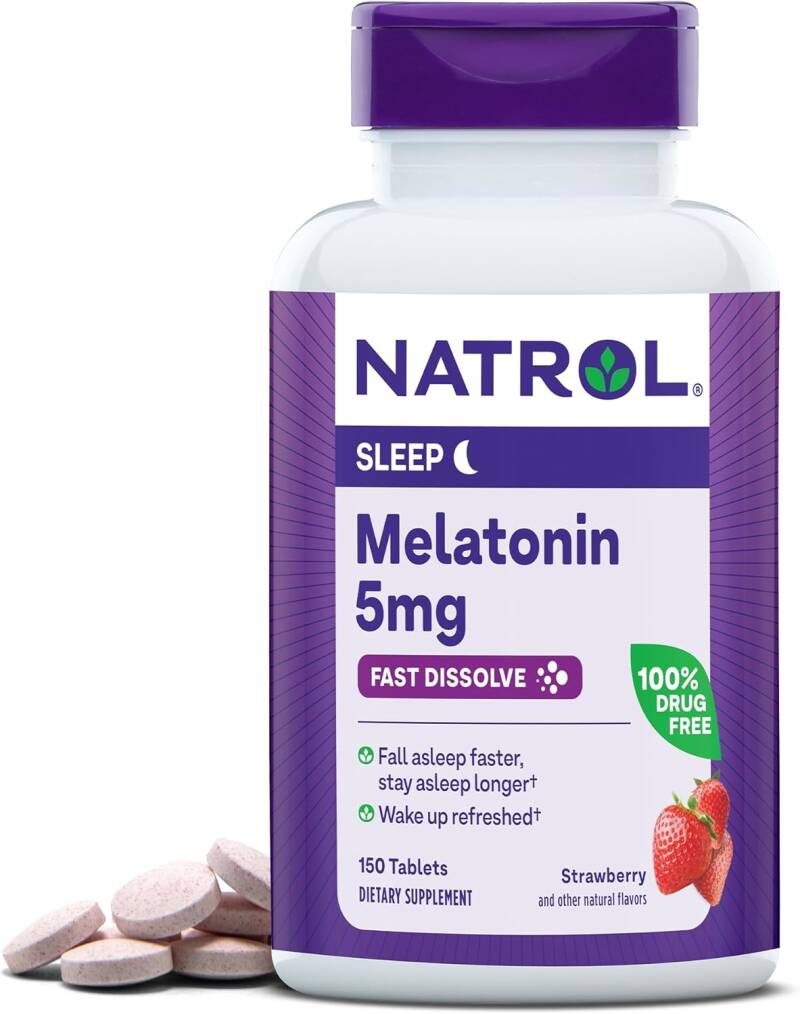
- Use melatonin supplements . Melatonin is a hormone produced in the brain that plays a key role in regulating sleep. Its release begins approximately four hours before we start to feel sleepy, and it is activated by the body’s natural response to decreasing light levels, which typically occur as night approaches.
- Keep cool. Women who are going through menopause and experiencing hot flashes should keep the room as cool as possible and wear cotton or breathable fabrics to bed to promote a comfortable night’s sleep.

Explore each Menopause symptom in depth on our Menopause Pages!
Join our Mailing List for Updates on Menopause Health: