Nutrition in Middle Age
Supporting Your Health
As we reach middle age, our bodies undergo natural changes that can impact how we process food and absorb nutrients. This stage of life is a critical time to prioritize our balanced nutrition to maintain energy, support overall health, and reduce the risk of chronic conditions. Key dietary adjustments can make a significant difference. Focus on incorporating nutrient-rich foods like lean proteins, whole grains, fruits, and vegetables into daily meals. Calcium and vitamin D are essential for maintaining bone health, while fibre supports digestion and heart health. Avoid excessive sugar, sodium, and saturated fats, which can contribute to weight gain and health issues. Staying hydrated and moderating portion sizes are equally important. Pair your nutritional efforts with regular exercise for optimal results and with supplements to ensure you receive all your vital nutritional needs. By making these adjustments, you can ensure that your diet supports your body's evolving needs and helps you feel your best during this vibrant stage of life.
Changes to nutrition needs
As you pass through middle age age your nutritional concerns change. Nutrient needs don’t decrease, but your calorie requirements and appetite may.
A lack of appetite, worry about cholesterol, weight or blood sugars may cause middle aged people to overly restrict their eating.
The best way to stay well-nourished is to eat a good variety of foods from the major food groups on a daily basis. Choose nutrient-rich foods according to the following guide:

- Include iron- and protein-containing foods such as meat, chicken, fish and eggs, or vegetarian alternatives such as dried beans or nut butter, in one or two meals a day. If chewing is a problem, choose soft foods such as minced meat or casseroles.
- Aim for three serves of dairy foods for calcium and protein. These can include milk, soy milk, cheese or yoghurt, custards and dairy-based desserts such as rice pudding, which are easy to eat even if your appetite is not good.
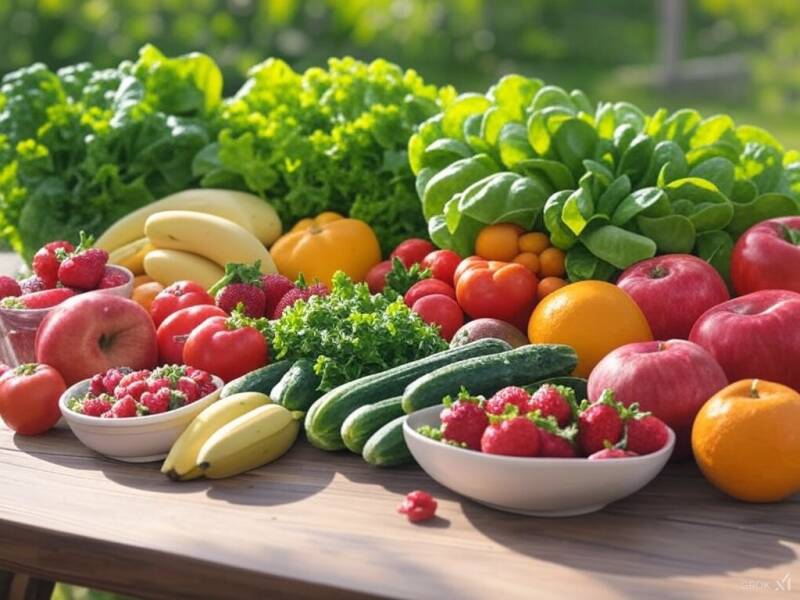
- Have some vegetables or salad with lunch and dinner and a couple of serves of fruit during the day for vitamins and fibre. Stewed or canned fruit is a good alternative to fresh if chewing is a problem.
- Add a carbohydrate serve in each meal for energy (bread, dry biscuits, rice, pasta, potato or breakfast cereal).

Tips for healthy eating
If your appetite or food intake is not good, the following tips may help:
- Eat small, frequent meals and snacks. Large meals can be off-putting for people with poor appetites, and small amounts taken often can add up to a substantial amount of food. Good snacks include milk-based drinks, crackers and cheese, toast with peanut butter, toasted cheese sandwiches and yoghurt.
- Eat meals and snacks before filling up on low-nutrient foods or drinks such as coffee or biscuits.
- Tasty foods with extra seasoning may tempt jaded tastebuds. Try adding flavourings such as lemon juice, herbs and spices.
- Make drinks such as coffee or Milo more nourishing by basing them on milk
- If your appetite is very poor, drinks may be easier to take than food. However, take care to avoid filling up on drinks that are not sufficiently nourishing, such as soft drinks or fruit juice. Nourishing soups containing vegetables and meat, chicken, split peas or lentils are appropriate, as are milk drinks such as smoothies made with milk, fruit, yoghurt or ice-cream. Supplements such as Sustagen, and Ensure are ‘food drinks’ that contain all the nutrients and calories that are present in food, and can replace solid food.
- Physical activity such as a daily walk helps stimulate your appetite, as does eating in pleasant surroundings such as setting the table or eating in company when possible.
- Maintain good oral care.
- Use a shopping list so you don’t forget important foods. Frozen meals from the supermarket can take the pressure off cooking.
Join our Mailing List: