Menopause Symptoms - Hot Flashes
Explore each Menopause symptom in depth on our Menopause Pages!
The most common issue caused by the menopausal transition may also have the greatest impact on your daily life. Hot Flashes.
The hypothalamus plays a crucial role in regulating body temperature by acting as an internal thermostat. When it detects that your body is overheating, it triggers mechanisms like dilating blood vessels near the skin's surface and inducing sweating to release excess heat. However, during menopause, hormonal changes can make the hypothalamus overly sensitive to even minor temperature shifts. This heightened sensitivity leads to sudden and unpredictable heat surges, commonly known as hot flashes, which can occur during the day or disrupt sleep at night.
Practical suggestions for coping with hot flashes include:
- You can use a cold face washer for some temporary relief if you are on the move.

- Dress in layers, so that you can remove clothing when a hot flash starts.

- Avoid foods and beverages that may cause hot flashes, like spicy foods, alcohol, coffee, tea, and other hot beverages.
- Drink a glass of cold water or fruit juice when a hot flash starts.
- Reduce your stress level. Stress may worsen hot flashes.
- Keep a thermos of ice water or an ice pack next to your bed during the night.
- Use cotton sheets, lingerie, and clothing that allow your skin to breathe.
- Keep a diary or record of your symptoms to find what might trigger your hot flashes.
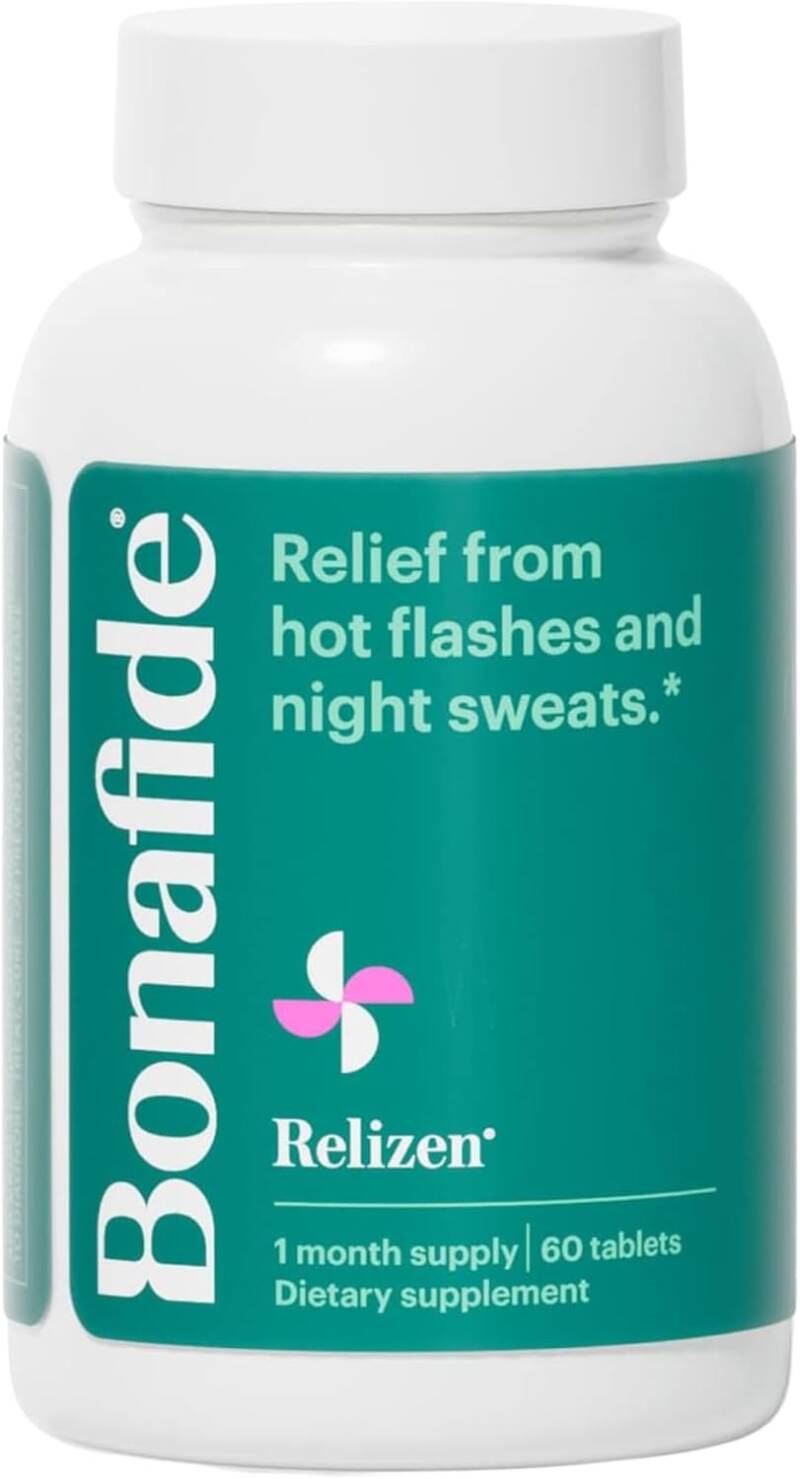
- Menopause supplements can also help relieve the underlying cause of hot flashes and night sweats.
- There are some medications on the market which may help, if you find the symptoms are debilitating. They include SSRI’s, Gabapentin and Clonidine.
- Of course, you could always tip some cold water over yourself, find a large fridge and go sit in it or take a cold bath.
Complete our survey now and help us all by telling us about your menopause experience!
Explore each Menopause symptom in depth on our Menopause Pages!
Join our Mailing List for Updates on Menopause Health: