Treating Hair Loss
Discover effective solutions for hair loss and regain your confidence.
These tips may help you avoid preventable types of hair loss:
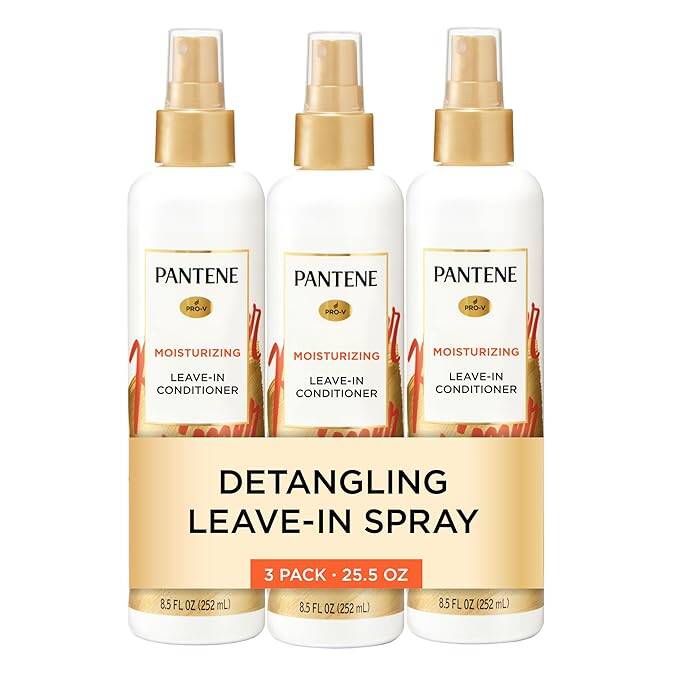
- To maintain healthy hair, handle it with care. Use a detangler to ease knots and avoid pulling or tugging, particularly when your hair is wet. Choose a wide-toothed comb to minimize breakage. Steer clear of harsh styling methods like hot rollers, curling irons, hot-oil treatments, and chemical perms. Additionally, reduce tension caused by hairstyles that rely on elastic bands, barrettes, or tight braids.
- Check with your doctor about types of medications and supplements you take that might cause hair loss.
- Ensure to adequately protect your hair from sunlight and other sources of ultraviolet light.

- Stop smoking. Some studies show an association between smoking and hair loss in middle aged women.
- Ask your doctor about a cooling cap if you're being treated with chemotherapy. This cap can reduce your risk of losing hair during chemotherapy.
If female hair loss is bothering you, you might choose to try treating it, as there is no definite cure, however treatment can slow it down or even stop the hair loss. Treatment may also stimulate hair growth.
There are also prescription medications which your doctor might prescribe, such as minoxidil foam for your scalp or anti-androgen tablets such as spironolactone or cyproterone acetate. It’s important to discuss the potential side effects of these treatments with your doctor.
It can take up to 6 to 12 months to know if treatment is working. The treatment will only help for as long as you keep taking them, so it is important to continue treatment once you notice results.

Other things which might help include:
- changing your hairstyle or parting to make hair loss less noticeable
- using synthetic sprays or powders to disguise thinning hair
- wearing a scarf, hat or wig.
- hair transplants
Laser treatments, plasma injections, hair tonics and nutritional supplements may also help, however this will vary from woman to woman as every woman's hormonal needs are very different.
Can female pattern hair loss cause any other problems?
For some people, hair loss can be incredibly distressing and can affect their self-esteem. It can sometimes lead to:
- depression
- relationship problems
- work problems
- poor sleep
- avoidance of social activities
It can be especially distressing for a woman who is going through menopause and is already suffering from hormonal imbalances which intensify emotional distress. If your hair loss is upsetting for you, it might help to talk to your doctor or to see a psychologist for counselling.
Join our Hair Care Community: